
FDA Issues New Guidance on GLP Study Report Translations

The U.S. Food and Drug Administration has released draft guidance on the translation of nonclinical Good Laboratory Practice (GLP) study reports into English for regulatory submission. The document is especially relevant for companies, laboratories, and translators involved in international pharmaceutical, toxicology, and medical device studies.
Published as Translation of Good Laboratory Practice Study Reports: Questions and Answers, the guidance explains FDA’s expectations when original study reports are prepared in a language other than English and later submitted for review in the United States. The original FDA PDF can be accessed here: https://www.fda.gov/media/174062/download.
Key Requirements for Translators and Sponsors
According to the draft guidance, the English translation must be a truthful, accurate, and complete representation of the original GLP study report. FDA also states that translators should have appropriate education, training, and experience in both English and the source language, along with familiarity with medical and scientific content.
The guidance highlights several practical requirements:
- A signed and dated translation statement should be prepared separately from the translated report.
- The statement should appear immediately before the translated study report cover page.
- Each amendment to the original final report should be translated as a separate document.
- All tables, appendixes, and contributing scientist reports should be translated completely.
- Tabular data should preserve the same content and format as the original.
- A second person should perform a completeness check on the final translated version.
FDA also clarifies that the translated GLP study report itself should not be signed. Instead, it should include the typed name of the original study director and the date on which the original final report was signed.
Why This Matters
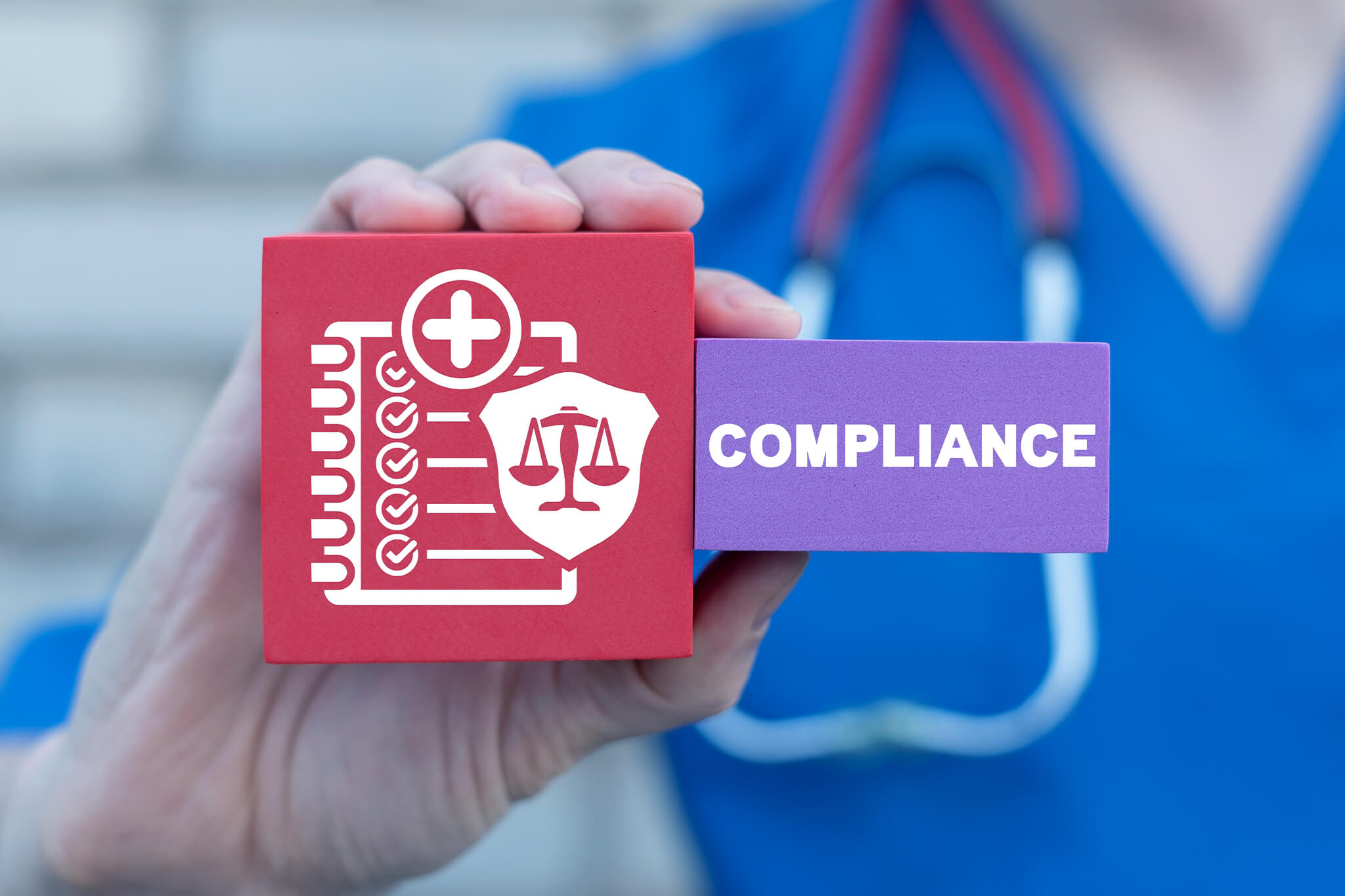
This draft guidance confirms the critical role of professional translation in regulatory compliance and scientific communication. In highly specialized fields such as nonclinical toxicology and device safety, translation is not just a linguistic task — it is part of the integrity of the submission itself.
For medical translators and language service providers, the guidance is another reminder that subject-matter expertise, documented procedures, and quality control are essential. It also reinforces the value of human oversight in high-risk technical translation, where accuracy can directly affect regulatory review and confidence in study data.
Relevance for the Translation Industry
As more studies are conducted outside the United States, the demand for reliable regulatory translation continues to grow. FDA’s draft guidance gives both sponsors and translators a clearer framework for how these materials should be prepared, checked, and presented.
For professionals working in medical, pharmaceutical, and scientific translation, this is a noteworthy development that underlines the importance of specialization, process consistency, and full document accountability. It may also signal future FDA guidance on the translation of other report types submitted supporting marketing authorizations.


